




Serving the Twin Cities Metro for 20+ Years

(612) 333-7627

The Complete Guide to Home Insulation

Lower energy bills, a quieter home, and year-round comfort start with the right insulation. Here's everything Twin Cities homeowners need to know before upgrading.

In This Article

Why Insulation MattersTypes of InsulationThe BenefitsOur ProcessRebates & Tax CreditsFAQs

The Basics

Why Insulation Matters

Insulation is the single most cost-effective upgrade a Twin Cities homeowner can make. It works by slowing the transfer of heat, keeping warm air inside during our long winters and out during humid summers. Without it, your furnace and air conditioner fight a constant, losing battle against the weather.

Homes built before modern energy codes are especially prone to gaps, settling, and under-insulated attics. Even newer homes often fall short of today's recommended R-values. Adding insulation pays you back month after month in lower bills and a more comfortable home.
Materials

Types of Insulation

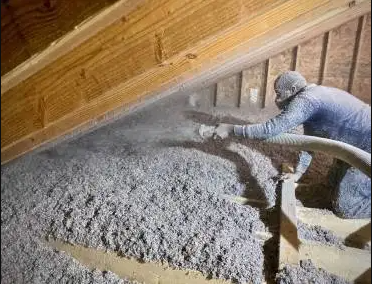
Blown-In Cellulose

R-Value: R-3.2 to R-3.8 / inch
Best For: Attics & existing walls

Blown-In Cellulose

Made from recycled paper and treated for fire resistance. Excellent for filling irregular cavities and topping off attic floors.

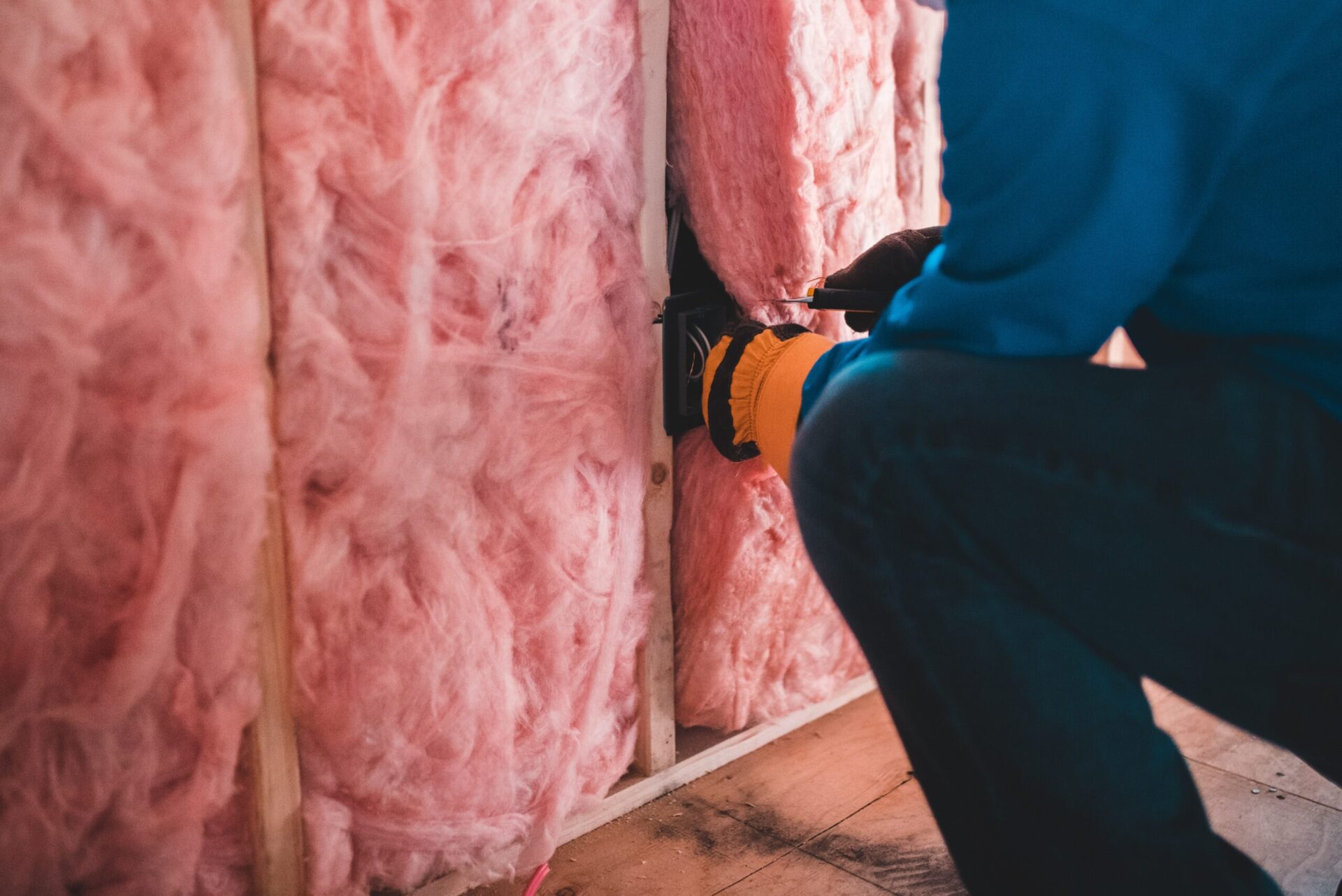
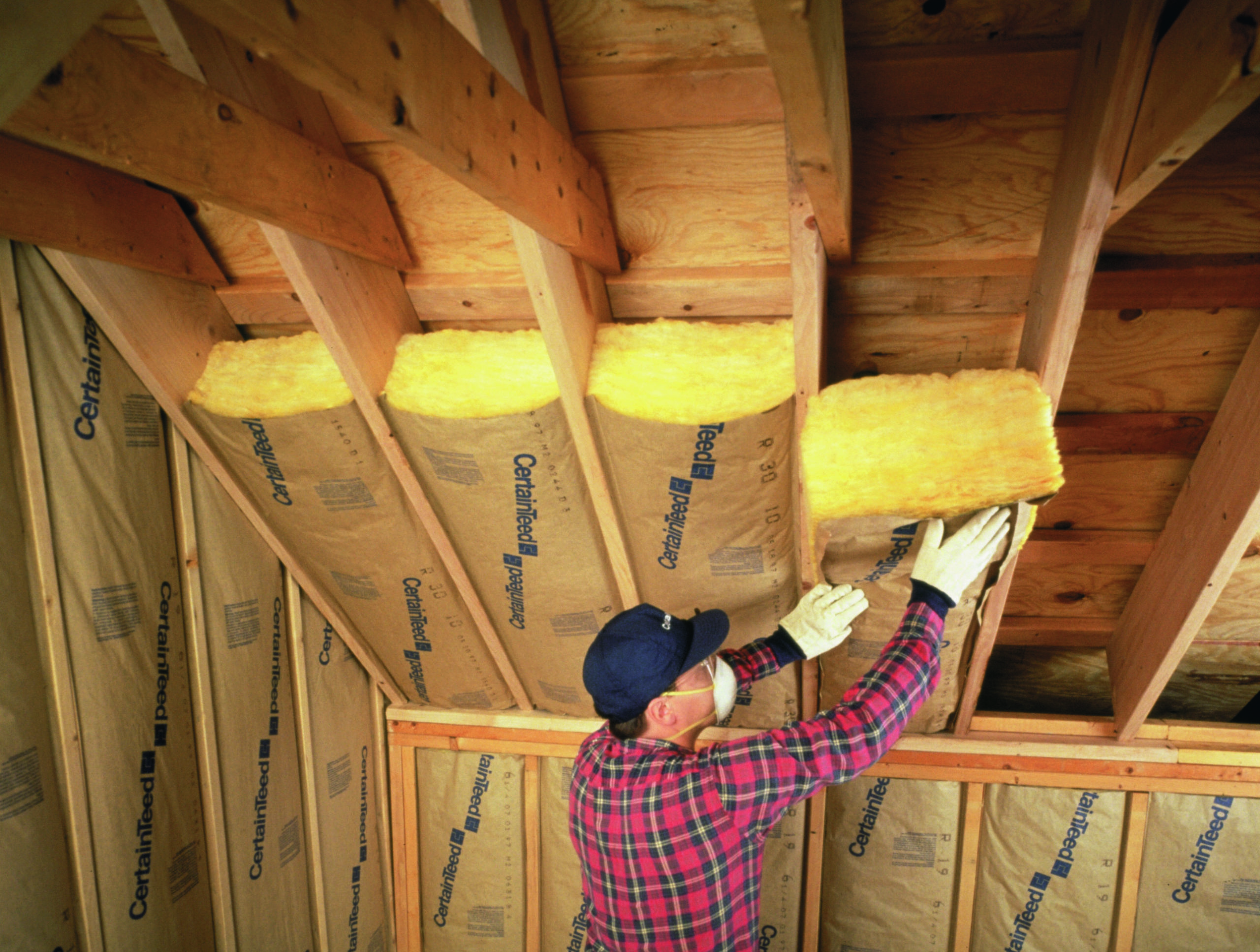
Fiberglass Batts

R-Value: R-2.9 to R-3.8 / inch
Best For: Open walls, floors, ceilings

Fiberglass Batts

The most common and budget-friendly option. Pre-cut rolls fit neatly between standard studs and joists during renovations.

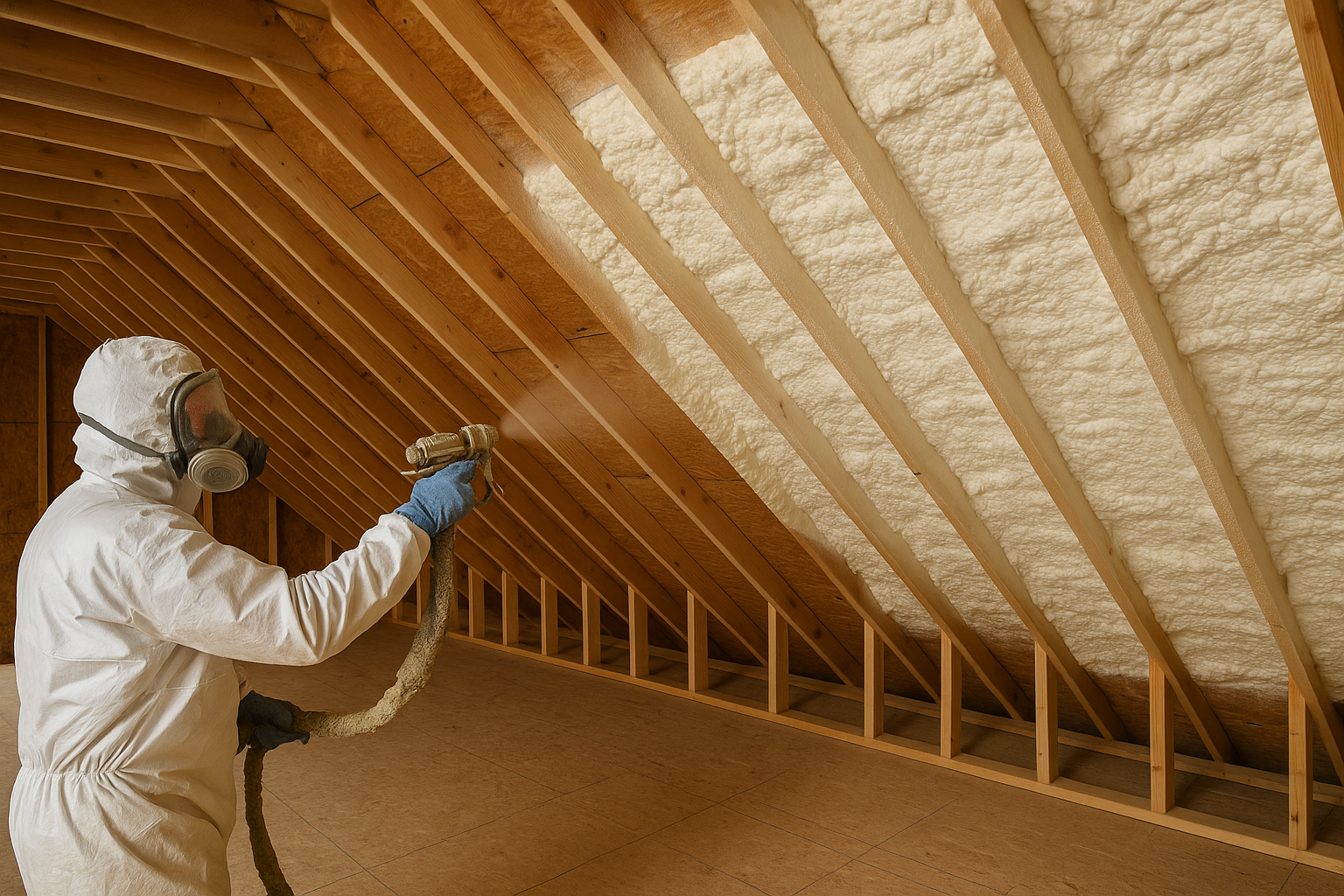
Spray Foam

R-Value: R-6 to R-7 / inch
Best For: Rim joists

Spray Foam

Expands to seal air leaks and adds structural rigidity. The highest R-value per inch and doubles as an air barrier.

Fiberglass Loose-Fill

R-Value: R-2.9 to R-3.8 / inch
Best For: Basement Rim Joists

Fiberglass Loose-Fill

Lightweight and easy to install in attics and hard-to-reach areas. It can be blown in to fill cavities and gaps.

Why Upgrade

The Benefits

Lower Energy Bills

Proper insulation can cut heating and cooling costs by up to 20% every year.

Year-Round Comfort

No more cold rooms in winter or hot upstairs bedrooms in summer.

Quieter Home

Dense insulation dampens outside noise and sound between rooms.

Smaller Footprint

Less energy use means fewer emissions and a greener household.

What To Expect

Our Process

01

Free Home Assessment

We inspect your attic, walls, and rim joists, then measure current R-values and locate air leaks.

02

Custom Recommendation

You get a clear, itemized quote with the material, R-value, and rebate options for your home.

03

Professional Installation

Our certified crews install cleanly and efficiently, and most attic projects are done in a single day.

04

Quality Verification

We confirm coverage and depth, seal up, and hand off warranty paperwork for your records.

Don't Leave Money On The Table

Energy Rebates & Tax Credits

Qualifying homeowners may receive up to $3,200 in federal tax credits plus additional state rebates for insulation upgrades.

We'll help you capture every dollar.

Check My Eligibility

Questions

Frequently Asked

How do I know if my home needs more insulation?

Uneven room temperatures, high utility bills, drafty areas, and ice dams are common signs your insulation may be underperforming.

How much does insulation cost?

Cost depends on home size, insulation type, target R-value, and accessibility. We provide itemized quotes after an on-site assessment.

What R-value do I need in the Twin Cities?

Most attics in this climate zone perform best around R-49 to R-60, but recommendations vary by area of the home and current conditions.

Is the installation messy or disruptive?

Our crews protect work areas, seal equipment pathways, and clean up completely before leaving. Most installs are completed in one day.

Request Your

Free Inspection, Consultation & Quote

By submitting you agree to our Terms of Service and Privacy Policy.